

 Français
 Español
 Türk

 ++86 19941472007


You can contact to me using this form.
Content
- 1 What Is a Lip Seal and Why Does It Matter for Rotary Components?
- 2 How a Lip Seal Works: The Three Contact Zones
- 3 Lip Seal Materials: NBR, FKM, ACM, and Silicone Compared
- 4 Lip Seal Design Parameters That Decide Performance
- 5 Why Lip Seal Choice Directly Affects ABS Brake System Reliability
- 6 Wheel Hub Lip Seals: Blocking Contamination Without Increasing Rotational Resistance
- 7 Installation Mistakes That Ruin Lip Seals Before They Work
- 8 Magnetic Lip Seals: Combining Sealing and Speed Sensing in One Component
- 9 How to Spot a Worn Lip Seal: Practical Inspection Indicators
- 10 How to Choose the Right Lip Seal Supplier for Production Use
- 11 Maintaining Lip Seal Performance Throughout the Service Life
- 12 FAQ: Lip Seal Questions That Come Up Most Often
- 12.1 What is the difference between a lip seal and an O-ring?
- 12.2 How do I determine the correct lip seal size?
- 12.3 Can a lip seal be reused after disassembly?
- 12.4 What causes lip seal leakage on a new installation?
- 12.5 How long does a typical lip seal last?
- 12.6 Are magnetic lip seals compatible with standard ABS sensors?
- 13 Conclusion: Why Lip Seals Deserve a Priority in Design and Procurement
What Is a Lip Seal and Why Does It Matter for Rotary Components?
A lip seal, often called a lubricant seal or shaft seal, is the first line of defense in rotating assemblies. Its job is simple to state but demanding to execute: keep lubricant inside the housing while keeping dust, water, and abrasive particles outside. The moment a lip seal fails, the bearing or brake system starts a countdown toward failure.
For automotive and industrial planners, the practical question is not whether to use a lip seal but which lip seal design, compound, and installation method will survive the intended service life. That decision is easier to make when you understand what happens inside the seal lip and why common premature failures occur.
How a Lip Seal Works: The Three Contact Zones
A standard radial shaft lip seal has three functional zones. The sealing lip applies radial force against the shaft surface; the outer jacket holds the seal in the bore; and the garter spring maintains consistent lip load as the shaft rotates.
At normal operating speeds, a thin oil film forms between the lip edge and the shaft. This film is only a few micrometers thick, and it acts as both a lubricant and a barrier. The lip geometry is designed with a hydrodynamic angle so that as the shaft spins, the lip actually pumps oil toward the oil side. A correctly designed lip never runs completely dry, yet it also never lets bulk oil pass through.
If the lip edge wears, loses elasticity, or gets contaminated by hard particles, the hydrodynamic pumping action degrades quickly. The result is visible leakage, usually with telltale traces of oil along the shaft or around the housing.
Lip Seal Materials: NBR, FKM, ACM, and Silicone Compared
Material selection is the most decisive factor in seal service life. Dimensional tolerances matter, but if the polymer cannot handle the fluid, temperature, and speed conditions of the application, no amount of precision will deliver durability.
| Material | Continuous Temperature Range | Typical Fluid Compatibility | Primary Limitation |
|---|---|---|---|
| NBR | -40°C to +120°C | Mineral oil, engine oil, grease | Poor resistance to ozone and brake fluid |
| FKM | -20°C to +200°C | Mineral oil, synthetic oil, diesel, some aggressive brake fluids | Higher cost and poorer low-temperature performance |
| ACM | -25°C to +150°C | Engine oil, transmission fluid, gear oil | Not recommended for brake fluid or water-based fluids |
| Silicone | -50°C to +180°C | Mineral oil (limited), high-temperature greases | Poor wear resistance and low tear strength |
NBR remains the most widely used seal elastomer in automotive chassis and powertrain applications because it delivers a strong balance of cost, oil resistance, and machining ease. FKM is the standard choice when high temperature or aggressive fluids are involved, especially near turbocharged engines and in the braking environment. For the rotating sealing elements used in ABS brake systems, selecting an elastomer that can tolerate contact with brake dust while retaining lip flexibility at low temperature is usually the dominant requirement.
Lip Seal Design Parameters That Decide Performance
Beyond elastomer selection, several geometry details directly influence leakage and friction behavior. Design engineers must consciously evaluate each one for the specific application.
- Lip diameter interference. Standard radial interference for a typical automotive lip seal falls between 0.5% and 1.0% of the shaft diameter. Too much interference increasing friction and heat, while too little raises the risk of leakage at low speed.
- Garter spring load. This element maintains a constant radial load even after the lip compression set over time. In high-vibration environments, a missing spring can cause sealing failure within weeks.
- Hydrodynamic lip geometry. The lead-in angle on the air side is usually 20° to 30°, while the oil side angle is steeper. This helps the rotating shaft pump any coincidental leakage back to the oil side.
- Shaft surface finish. The recommended Ra (average roughness) is 0.2 to 0.5 micrometers for carbon steel shafts. A polished finish can actually reduce the oil film formation, while a too-rough finish destroys the lip quickly.
These parameters are what separate a purpose-engineered seal from a generic part that happens to fit the bore and shaft dimensions. For procurement teams, the fastest way to evaluate a potential seal supplier is to ask what lip design parameters they control in production. A serious seal manufacturer knows the exact interference range, spring load, and surface finish requirements for every product they propose.
Why Lip Seal Choice Directly Affects ABS Brake System Reliability
Anti-lock braking systems rely on continuous, accurate wheel-speed signals. In many modern designs, the rotating sealing element around the wheel hub or bearing doubles as a magnetic sensor target. That orientation means the lip seal is no longer just a passive oil containment component; it now participates in generating the magnetic pulses that the ABS sensor reads.
If the seal leaks oil or grease onto the sensor surface, the signal strength degrades. If the seal wears and allows water ingress, corrosion can attack the magnetic encoder ring, directly reducing signal clarity. Consequently, the failure mode of a lip seal in an ABS assembly can range from a slow service oil leak to an intermittent brake system warning.
For brake disc manufacturers and wheel hub suppliers, this is a critical consideration. The lip seal must maintain its dimensional stability over the entire brake system operating temperature range while keeping the magnetic encoding surface clean and uncontaminated. The correct elastomer and the correct molding process become fundamental parts of the ABS assembly specification.
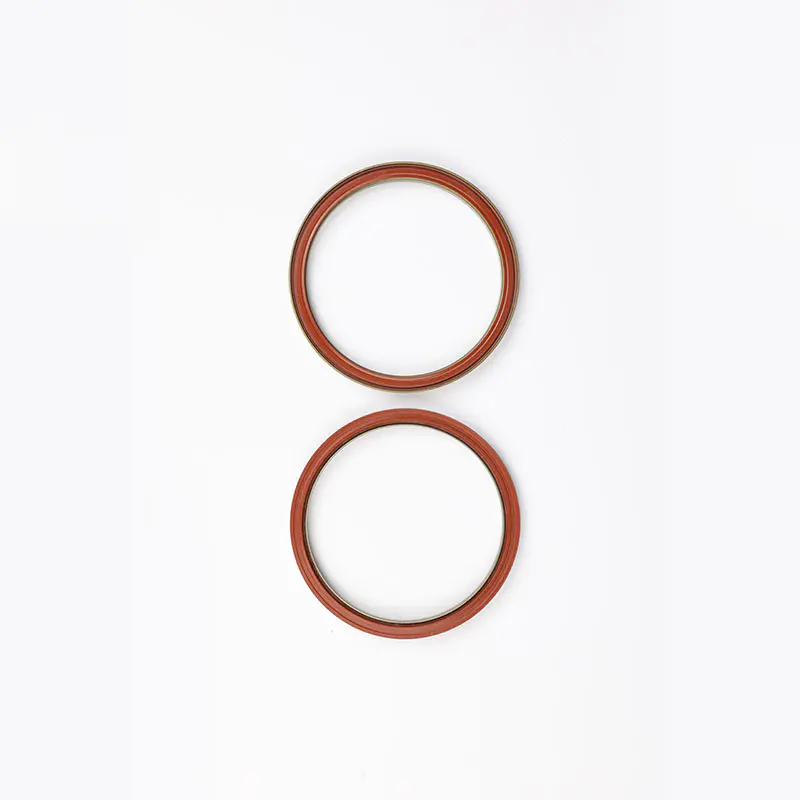 ABS Sealing Ring for Bearing with Square Lip SealThis ABS sealing ring for bearing units integrates a square lip seal to protect the magnetic encoder. Its dimensional stability across brake temperatures helps maintain clean sensor surfaces, supporting reliable ABS operation in demanding road conditions.View Product →
Wheel Hub Lip Seals: Blocking Contamination Without Increasing Rotational Resistance
In wheel hub bearing assemblies, lip seals operate right at the boundary between the inside of the bearing and the harsh road environment. This is one of the most demanding sealing positions in the entire vehicle. Road dust, water spray, brake dust, and occasional gravel impact all arrive at the same opening where lubrication must stay contained.
A modern wheel hub seal design usually incorporates a two-lip or multi-lip arrangement. The primary lip controls grease leakage, while the secondary lip rejects external contamination. The contact pressure on the shaft or bearing ring is engineered to be low enough that parasitic drag does not noticeably increase fuel consumption, but high enough to form a reliable hydrodynamic oil film.
Bearing seal failures are not silent events. In a controlled durability test, a contaminated wheel hub bearing typically produces measurable noise and vibration after only 20,000 to 40,000 kilometers of operation in a rugged environment, depending on the seal design and road conditions. With a well-designed multi-lip seal, the same bearing can continue normal operation through the full service interval.
When sourcing aftermarket replacement sealing rings, maintenance teams often focus only on bore diameter and shaft diameter. But lip profile, spring configuration, and dust shield arrangement matter just as much. A repair seal that fits loosely or carries an overly aggressive spring load can create a new set of problems, including squeaking and premature bearing preload loss.
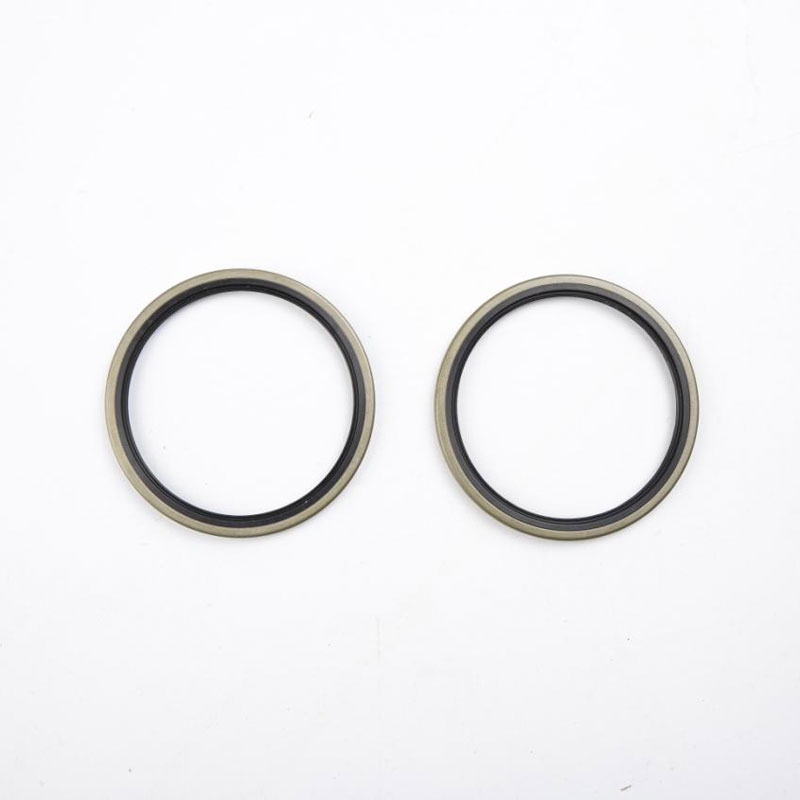 Wheel Hub Sealing Ring with Square Lip ProfileThis wheel hub sealing ring features a square lip profile and proper fit for aftermarket replacements. It addresses common issues like loosening or excessive spring load, helping prevent premature bearing preload loss and squeaking in service.View Product →
Installation Mistakes That Ruin Lip Seals Before They Work
Even a correct lip seal will fail early if the installation method introduces a defect. The following situations represent a significant share of premature seal replacements observed in service centers and production lines.
- Using a hammer directly on the seal body. This almost always distorts the metal case and can crack the elastomer lip. Proper installation uses a press with a flat insertion tool.
- Ignoring shaft protection during installation. Sharp shaft edges, keyways, or splines can cut the lip in seconds. A simple thin sleeve or specially designed installation cone is sufficient protection.
- Omitting the mating-surface lubricant. A small amount of the system oil or grease must be applied to the seal lip and the shaft surface before installation. This prevents dry running at startup, which can burn the lip within the first few seconds.
- Installing a lip seal in the wrong orientation. Radial shaft seals are directional. Fitting them with the lip facing the wrong way causes immediate leakage as soon as fluid pressurizes the housing.
These issues are preventable through clear process instructions and supplier-provided demonstration videos. A reliable seal manufacturer will supply an installation guideline sheet alongside the product, especially for maintenance-oriented repair kits.
Magnetic Lip Seals: Combining Sealing and Speed Sensing in One Component
One of the more recent advances in rotating seal technology is the integration of a magnetic encoder ring into the sealing ring assembly. Instead of mounting a separate magnetic ring on the bearing or brake disc, the seal itself carries the multi-pole magnetic rubber ring. The ABS sensor reads the magnetic pulses directly from the seal surface.
This integration creates several tangible engineering benefits. It reduces the number of individual parts and assembly operations, lowers total stack-up tolerances, and makes the magnetic sensing function more robust against contamination because the encoder is protected inside the same sealed cavity.
The design challenge lies in the fact that the lip seal elastomer and the magnetic rubber must both survive the same temperature, fluid, and vibration environment. Additionally, the magnetic ring must hold its magnetic properties for the entire service life without demagnetizing or losing pole definition. Manufacturers that can deliver a magnetic lip seal with a stable magnetic field strength specification and a proven sealing life offer a genuine competitive advantage to brake and bearing assemblies.
For production engineers selecting a magnetic lip seal supplier, the critical technical questions are the pole count precision, the radial runout of the encoder surface, and the temperature-dependent magnetic strength stability. These parameters are not visible on the outside of the part and require rigorous incoming inspection or documented process control reports.
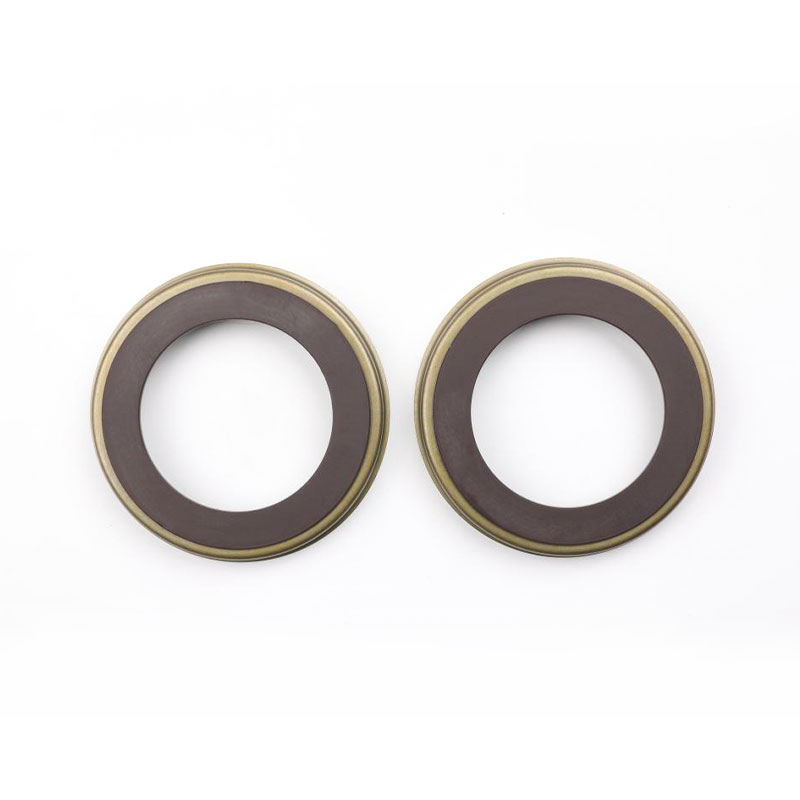 Magnetic Sealing Ring for ABS Hub UnitsThis magnetic sealing ring generates alternating field signals for ABS sensors, enhancing sealing while reducing weight. Its simplified structure lowers production costs and simplifies installation, supporting compact hub unit designs.View Product →
How to Spot a Worn Lip Seal: Practical Inspection Indicators
Preventive maintenance planning is more effective when field inspectors know what to look for. The physical signs of seal deterioration are usually visible long before a catastrophic leak occurs.
- A thin glossy film of oil around the shaft just outside the seal. This indicates that the hydrodynamic pumping action has started to fail.
- Hardening or glaze on the lip area. Temperature or ozone attack has converted the elastomer surface into a brittle layer that can no longer follow micro-movements of the shaft.
- Visible wear line or groove on the sealing lip. This happens when abrasive particles become embedded in the elastomer and grind against the shaft surface.
- Metal particles in the grease around the housing. A common indicator that the defect has progressed from elastomer wear to actual shaft or bearing surface damage.
If any of these indicators appear during a routine inspection, the sealing ring should be replaced at the next service opportunity. In brake and wheel hub positions, operating with a failing seal is not merely a cost issue; it can become a safety issue, so the service interval should reflect the application severity.
How to Choose the Right Lip Seal Supplier for Production Use
When an OEM or a tier-one component manufacturer evaluates a lip seal supplier, the selection process usually goes beyond simple sample fitting. The decisive criteria, in order of importance, are the following.
- Molding accuracy and process capability. Ask whether the supplier controls the flash, parting line, and lip profile in every batch. The presence of an automated mold pressure monitoring system is a meaningful indicator.
- Application engineering support. A competent supplier should be able to recommend a material, lip geometry, and spring configuration based on your speed, temperature, fluid, and contamination requirements.
- Testing capability and documentation. Truly useful test reports include dynamic leak rates, low-temperature lip flexibility data, and long-term contamination performance, not only material hardness and tensile strength.
- Consistency in batch-to-batch quality. For production lines, a slight change in lip load or interference between batches can cause unexpected field failures. Tight quality control and statistical process control data are essential.
By evaluating suppliers on these practical dimensions, production planning teams can build a stable supply chain that minimizes the risk of field failures and unnecessary warranty claims.
Maintaining Lip Seal Performance Throughout the Service Life
Even the best lip seal degrades over time. The elastomer loses some of its flexibility, the spring load relaxes, and micro-abrasion accumulates along the lip edge. The goal of an effective maintenance program is to delay that degradation and shorten the detection period when damage starts.
For rotating components in automotive and industrial machinery, the health of the lip seal should be checked in parallel with the bearing condition. If a simple temperature measurement shows that the housing surface has become hot to the touch, the seal may be generating excessive friction due to lip hardening or an incorrect installation. Any rise of 15°C above the normal operating temperature of the sealing face deserves immediate inspection.
When replacement is required, choosing a size-accurate repair sealing ring with the correct lip configuration and material specification is the fastest route to restoring the original performance. Generic replacement seals often appear to fit dimensionally but miss the subtle hydrodynamic geometry that the original equipment had.
FAQ: Lip Seal Questions That Come Up Most Often
What is the difference between a lip seal and an O-ring?
A lip seal is a dynamic seal designed for rotating shafts. It uses an extended lip element to maintain lubricant retention while the shaft spins. An O-ring is primarily a static or low-speed reciprocating seal without a lip geometry, and it is much less suitable for rotating shaft sealing over long service intervals.
How do I determine the correct lip seal size?
The correct size is defined by the shaft diameter, the housing bore diameter, and the seal width. According to standard seal dimension tables, a typical automotive wheel hub seal might follow dimensions such as 38mm x 55mm x 10mm, where the first value is the shaft diameter, the second is the bore diameter, and the third is the seal width. Using a caliper and micrometer for verification is mandatory, and the actual interference fit should be checked against the application specification.
Can a lip seal be reused after disassembly?
Reusing a lip seal is strongly discouraged. Once the seal has been installed and operated, the lip has already taken a permanent form and the spring may have altered its load. Reinstallation almost always produces an early leak because the lip cannot reseat perfectly against the shaft. In the rare cases where a seal has been installed but never rotated and remains completely clean, a single installation attempt may be possible, but it carries unnecessary risk.
What causes lip seal leakage on a new installation?
The most common causes in order are incorrect orientation, inadequate lubrication during installation, shaft surface damage, and excessive bore misalignment. Less frequently, the wrong elastomer for the fluid can cause swelling or hardening, which leads to loss of sealing contact. In any case, the investigation should start by removing the seal and inspecting the lip edge and shaft surface under magnification.
How long does a typical lip seal last?
In a passenger vehicle wheel hub application, a correctly installed lip seal normally survives 80,000 to 120,000 kilometers in moderate service conditions. In more demanding environments such as construction machinery or severe climate conditions, the expected life is shorter. The actual life is heavily influenced by contamination, temperature, shaft surface quality, and installation quality.
Are magnetic lip seals compatible with standard ABS sensors?
Yes, magnetic lip seals are designed as direct substitutes for separate magnetic encoder rings used with standard ABS sensor systems. The sensor position, reading gap, and signal frequency are calculated during the design phase to match the standard chassis electronics. A proper integration should provide the same signal output while eliminating the need for a separate encoder ring housing.
Conclusion: Why Lip Seals Deserve a Priority in Design and Procurement
Lip seals are among the smallest components in a rotating assembly, yet they decide whether that assembly can reach its intended service life. A leak is not merely a nuisance; it is the longest visible symptom of a control system about to lose its function, particularly in ABS braking applications where a contaminated encoder ring degrades the signal quality.
For design engineers, the correct course is to define lip seal material, geometry, installation, and inspection requirements at the design stage, not after field failures appear. For procurement and quality teams, the right course is to evaluate suppliers by their process capability, testing evidence, and application engineering competence rather than by part cost alone.
Working with a seal manufacturer that has matured experience in ABS sealing rings and wheel hub seals can make the difference between a product that passes early samples and one that stays stable through decades of real-world service. The technology underlying lip seals has not changed dramatically in its basic mechanics, but the precision of molding, compound selection, and application support continues to evolve, and that precision is exactly what buyers should look for.
