

 Français
 Español
 Türk

 ++86 19941472007


You can contact to me using this form.
Content
- 1 What Is FFKM Material?
- 2 Key Properties And Performance Data
- 3 FFKM vs FKM vs Silicone: Which Seal Material Wins?
- 4 Where FFKM Material Shines In Automotive And Industrial Sealing
- 5 Purchase Considerations: Cost, Specifications, And Supplier Capability
- 6 Frequently Asked Questions About FFKM Material
- 6.1 What does FFKM stand for?
- 6.2 Is FFKM the same as PTFE?
- 6.3 How much more expensive is FFKM material compared with FKM?
- 6.4 Can FFKM be used in automotive air conditioning systems?
- 6.5 What are the main failure modes of FFKM seals?
- 6.6 Does FFKM material really last two years in a chemical pump?
- 6.7 What are the main machining considerations for FFKM seals?
- 6.8 How do I choose between FFKM and a custom standard rubber seal?
At a chemical processing plant, a pump seal failed after three months of service. The elastomer had swelled, cracked, and lost its ability to keep the process fluid inside. That seal was a standard FKM part. When the maintenance team switched to an FFKM material, the same seal continued to run for over two years. FFKM material is not a universal replacement, but for extreme temperature and chemical exposure, it delivers a far longer service life than any conventional rubber. This guide explains what FFKM material is, where it outperforms alternative elastomers, and how to make the right purchasing decision.
For less demanding automotive or industrial environments, standard rubber or magnetic sealing rings can deliver reliable performance at a much lower cost. If you need practical sealing options without the premium of speciality elastomers, our sealing ring range offers a balanced choice that fits many everyday applications.
What Is FFKM Material?
FFKM stands for perfluoroelastomer, a fully fluorinated synthetic rubber. Unlike FKM, which still contains hydrogen atoms in its polymer backbone, FFKM has every carbon-hydrogen bond replaced with a carbon-fluorine bond. This fluorination changes the material's personality entirely. It makes the rubber nearly chemically inert, extremely heat-tolerant, and highly resistant to oxidation.
In practical terms, FFKM material behaves like a rubber but offers the protection of a barrier. It compresses into a tight seal, yet it does not swell or crack in the presence of acids, solvents, hot oils, or steam. At the same time, it keeps some flexibility at low temperatures, which is essential for sealing systems that start up in cold environments.
Published technical data sheets commonly list a continuous service temperature range of -20°C to 260°C for standard FFKM grades, with short-term excursions reaching 300°C for certain compounds. By comparison, ordinary FKM typically tops out near 200°C. This 60°C advantage can mean the difference between replacing a seal every six months and never thinking about it again.
The hardness of FFKM material can be tailored through compounding, usually ranging from 60 to 85 Shore A. Some grades are transparent, while others are black or green. These visual differences do not indicate performance. What matters is the specific formulation selected for the application. Understanding the chemistry and the right compound is a fundamental step for any procurement or engineering team.
For a deeper look at the details that make sealing rings reliable, you can explore our sealing ring design considerations, which cover the same selection logic used when engineers choose FFKM for critical duties.
Key Properties And Performance Data
When picking a seal for a demanding environment, four physical properties decide whether the material will survive: temperature resistance, chemical compatibility, compression set, and permeability. The following table summarises the usual published performance figures for FFKM material side by side with FKM.
| Property | FFKM Material | FKM Material |
|---|---|---|
| Continuous service temperature | -20°C to 260°C | -20°C to 200°C |
| Short-term peak temperature | 300°C | 230°C |
| Chemical resistance | Excellent against most acids, bases, and solvents | Good against oils and fuels, weaker against aggressive chemicals |
| Compression set at 200°C after 70 hours | Typically below 25% | Typically 30% or higher |
| Relative material cost | 8 to 15 times more than FKM | Baseline |
Data in this table reflects typical values from published elastomer reference material. Actual performance will vary with the specific compound, the pressure applied, and the media being sealed. Always ask the seal supplier for the exact rating of the grade you intend to use.
Compression set deserves special attention. A seal that loses its ability to spring back will start to leak after a few thermal cycles. FFKM material, with its highly stable molecular structure, holds its shape remarkably well. That is why it is the first choice for small O-rings that must keep their grip on flanges and rods.
Permeability is the fourth property. FFKM has the lowest gas permeability among rubber materials, making it effective at containing gases and volatile liquids. In applications where fluid loss is unacceptable, such as in vacuum systems or refrigerant circuits, this low permeability prevents the seal from becoming the weak point in the system.
The table also reveals the only meaningful downside of FFKM material: price. The cost barrier often pushes engineers to consider whether a cheaper material can do the job. If the seal is in a non-critical location with small temperature swings and simple oil exposure, FKM is more than enough. In contrast, if the seal is protecting a production line from a corrosive leak, the extra money paid for FFKM pays for itself quickly through reduced downtime.
FFKM vs FKM vs Silicone: Which Seal Material Wins?
Choosing the right elastomer is not about buying the most expensive one. It is about matching the material chemistry to the operating conditions. Here is a side-by-side comparison of three common sealing materials with a focus on real-world trade-offs.
- FFKM is the champion of chemical resistance and high temperature. It is ideal for sealing aggressive fluids in pumps, valves, and reactors. The main penalty is cost and limited shape flexibility.
- FKM offers a good balance for automotive and industrial applications that involve oils and moderate heat. It is much cheaper and easier to process, but it fails quickly in hot acids, ketones, or steam.
- Silicone is best for very low temperatures and food-contact duties. It does not tolerate hot oils well and has poor resistance to many solvents, so it is not used in automotive drivetrains.
For standard automotive sealing duties, FKM or even a well-designed rubber sealing ring is often the most economical route. In factory automation and robotics, however, the higher performance of FFKM can reduce maintenance frequency caused by seal failure.
 Standard Rubber Sealing Ring for Automotive and Industrial UseA cost-effective rubber lip seal with metal cover option, available in 71mm OD size. Suitable for applications not demanding FFKM performance, offering reliable sealing and fast delivery.View Product →
If your application does not demand the extreme performance of FFKM, a high-quality standard seal is still a valuable component. Many suppliers also produce advanced magnetic sealing rings that combine sealing with positional sensing for ABS systems. These parts must be manufactured with precision to avoid signal interference, and the article about ABS magnetic sealing ring efficiency explains how such seals are used in real industrial settings.
Where FFKM Material Shines In Automotive And Industrial Sealing
FFKM is not a single-grade material. Compounders blend different fillers and curing systems to tailor the rubber for specific conditions. This flexibility is what makes FFKM material effective across a wide range of industries.
Automotive And EV Applications
In conventional internal combustion engines, FFKM seals are used in turbochargers and fuel injectors, where operating temperatures spike and the fluids are aggressive. A turbocharger bearing housing can reach 250°C, and the oil inside contains additives that degrade ordinary rubber. FFKM material stays functional for years in these zones.
For electric vehicles, the material is becoming more common in battery pack sealing. Battery coolant loops run at elevated temperatures during fast charging, and the coolant often contains glycol-based additives. An FFKM seal keeps the coolant inside and prevents thermal runaway caused by an external leak. This is a safety-related use that justifies the higher cost.
However, not every automotive seal needs to be FFKM. Many bearing seals, brake disc seals, and ABS magnetic sealing rings rely on robust rubber compounds that handle heat, dust, and vibration. A wheel hub sealing ring keeps grease inside the bearing and contaminants outside, while a rubber magnetic ring can serve a dual purpose in speed sensing. These components do not require perfluoroelastomer properties, which is why suppliers often offer standard grades for these systems.
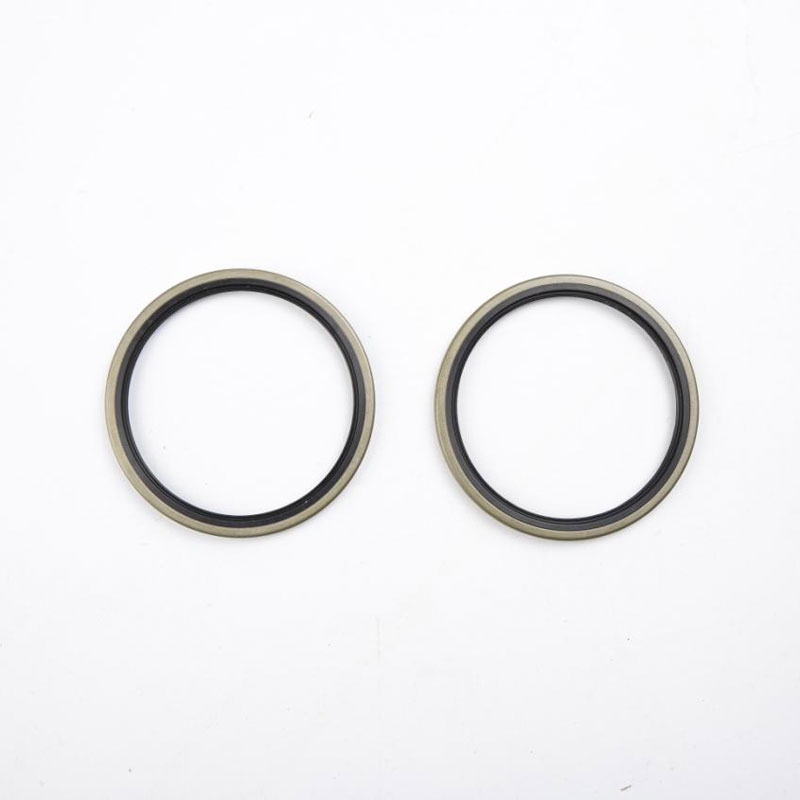 Wheel Hub Sealing Ring with Square Lip DesignA square lip-shaped seal for wheel hubs, 74mm OD, with metal lid type available. Keeps grease in and contaminants out, suitable for standard automotive bearing applications.View Product →
Industrial And Chemical Processing
Chemical plants are the main market for FFKM. A leaking valve may expose workers to toxic gas or contaminate a chemical batch. FFKM material handles strong mineral acids, solvents, and steam. In these situations, the seal is essentially a safety device, and the cost of the seal is trivial compared with the cost of an incident.
Manufacturers also use FFKM in semiconductor production equipment, where cleanliness and chemical compatibility are mandatory. Even tiny outgassing from a standard rubber seal can ruin a semiconductor wafer. For these critical processes, FFKM is the default choice. The material resists the plasma gases used in etching and deposition tools, and it does not release particles that would contaminate the product.
Another growing sector is pharmaceutical manufacturing. The seals in a bioreactor or a chromatography system come into contact with solvents, cleaning solutions, and steam-in-place cycles. FFKM material handles the repeated sterilization cycles without degrading, which keeps the production line compliant and reliable. In this context, the seal is not a commodity; it is a catalyst for uptime.
Purchase Considerations: Cost, Specifications, And Supplier Capability
When you buy FFKM seals, you are not simply buying a piece of rubber. You are buying a guarantee that the part will withstand the fluid, temperature, and pressure that your machine throws at it. Here are the five points that should drive your procurement decision.
- Media compatibility. Confirm the seal will be exposed to the actual chemical. Some aggressive acids are not compatible with certain FFKM compounds, so the exact grade matters as much as the family of material.
- Temperature range. Do not assume that a material rated for 260°C will behave the same inside hot oil. Verify with the manufacturer that the compound is also resistant to degradation at your continuous operating temperature.
- Compression set. A seal that loses its springiness will leak. Ask for compression set data at the high end of your operating range. The data sheet typically specifies a test at a certain temperature and duration, which may not exactly match your condition.
- Fit and tolerances. The gland design must be correct. Even the best FFKM material cannot seal a poorly machined groove. Check the surface finish of the housing and the radial clearance to avoid pinching.
- Supplier quality control. Ask about production processes and testing methods. A consistent supplier will be able to provide material traceability and batch records for every shipment.
For less critical sealing jobs, standard rubber seals are a smart alternative. They are far less expensive and are perfectly adequate for many automotive and industrial applications. In some cases, a rubber sealing ring can even be paired with a magnetic encoder to provide speed sensing without adding extra components. As you review your seal supply chain, consider whether your vendor can deliver parts that match your dimensional and material specifications.
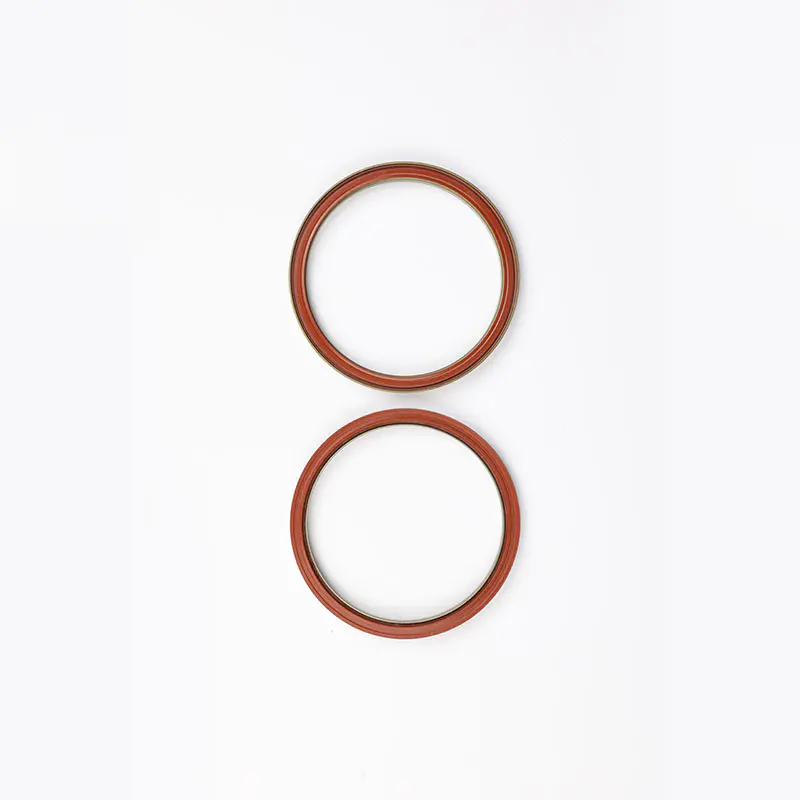 ABS Magnetic Sealing Ring for Bearing Speed SensingA square lip seal with magnetic properties for ABS systems, 69mm OD. Combines sealing and positional sensing, precision-manufactured to avoid signal interference in industrial settings.View Product →
When reviewing a potential supplier, look at the breadth of their product line and their experience with automotive and industrial components. It is usually a positive sign if the company can supply different sealing types, from simple ring seals to complex magnetic assemblies. That flexibility means they understand how a seal interacts with the rest of the mechanical system.
If you are sourcing seals for bearing or ABS components, the material and design requirements become even more specific. The seal must not only contain lubricant but also behave predictably with the magnetic encoder function. That is why a quality ABS bearing seal can make a difference in sensor accuracy. A material that flows well in the mold and has consistent magnetic properties will deliver a stable output signal over thousands of hours.
Frequently Asked Questions About FFKM Material
What does FFKM stand for?
FFKM stands for perfluoroelastomer. It is a fully fluorinated synthetic rubber that has the highest resistance to heat and chemicals among all common elastomers. The name is used in ISO and ASTM classifications to describe this family of materials.
Is FFKM the same as PTFE?
No. PTFE is a thermoplastic, while FFKM is an elastomer. FFKM can stretch and recover, which makes it useful as a seal. PTFE is a hard, non-elastic material that requires special spring mechanisms or metal contact to hold a seal. Both are highly chemical-resistant, but they behave very differently in application.
How much more expensive is FFKM material compared with FKM?
Based on typical market estimates, FFKM costs between 8 and 15 times more than FKM. The exact multiplier depends on the compound, the order quantity, and the complexity of the part geometry. Small custom O-rings tend to be at the high end, while standard sizes are more manageable.
Can FFKM be used in automotive air conditioning systems?
Yes. FFKM material is used in automotive air conditioning compressors and refrigerant lines because of its compatibility with refrigerants and the high temperatures found in those circuits. However, standard automotive seals often use more cost-effective materials like HNBR or FKM, which perform well for most passenger vehicles.
What are the main failure modes of FFKM seals?
The main failure modes are explosive decompression, swelling in incompatible media, and high compression set. Explosive decompression happens when gas pressure drops quickly, causing bubbles to form inside the seal. A properly selected compound avoids all three, which is why the material grade matters.
Does FFKM material really last two years in a chemical pump?
In many reported cases, yes. A well-selected FFKM seal running at moderate pressure in continuous chemical service can easily achieve a service life of two years or more, whereas FKM often fails within months under the same conditions. The actual life depends on operating pressure, temperature, and the specific chemical concentration.
What are the main machining considerations for FFKM seals?
FFKM seals are usually molded, not machined, because the material is tough and has a high heat resistance that makes cutting difficult. When the seal is used in a groove, the surface of the housing must be smooth to avoid abrasion. The groove dimensions must match the standard cross-section to prevent over-compression.
How do I choose between FFKM and a custom standard rubber seal?
Start with the temperature, the chemicals, and the pressure. If any of these reach the limits of standard rubber, move to FFKM. If you are working with a common oil at moderate temperatures, a standard rubber seal is a reliable, low-cost answer. The key is to define the worst-case operating condition, not the average one.
